Is Your Property Solar Ready? What Central Coast Homeowners Should Check First
Switching to solar is a smart move for Central Coast homeowners, but before installation it's important to assess whether the property is ready. A coastal environment means extra attention — sun exposure is ideal, but salt air, weather patterns and roof conditions all factor in. Key checks before installing: roof condition — panels last over 25 years, so install on a roof that won't need major repairs soon. Roof orientation and shade — north-facing is typically best in Australia, but east/west can work; check for overhanging trees, chimneys or buildings casting shade. Available space — enough room for a system sized to your energy needs (home, pool or hot water). Electrical panel suitability — the switchboard may need upgrading to safely connect a new system. Pool or hot water equipment — if linking solar with pool heating or solar hot water, check existing plumbing and controls are compatible. With a professional solar assessment, homeowners know exactly what upgrades or adjustments are needed, if any. Before any solar installation on the Central Coast, working through these checks gives you a clear picture of where your property stands — and what, if anything, needs addressing before the panels go on.
Your Roof Condition Is the Starting Point for Any Solar Assessment
Solar panels are designed to last 25 years or more, and the roof they're mounted on needs to be in a condition that matches that expectation. Installing a system on a roof that's approaching the end of its serviceable life creates a practical problem — if the roof needs significant work within a few years of installation, the panels will need to be removed and reinstalled to complete that work, adding cost and disruption that's entirely avoidable with a simple pre-installation check.
A roof condition assessment before solar installation looks at the age and material of the existing roof, whether there are any signs of deterioration like cracked tiles, corrosion on metal roofing, compromised flashing or damaged underlayment, and whether the roof structure can carry the additional load of a solar array. Most residential roofs in reasonable condition are suitable, but an older roof with visible wear or a history of leaks is worth addressing before committing to solar rather than after. Key indicators that a roof should be assessed or remediated before installation include:
- Tiles that are cracked, slipped or missing, which affect both the structural integrity of the mounting points and the weatherproofing around penetrations
- Visible rust or corrosion on metal roofing, particularly around the ridge cap, valleys and any existing penetrations
- Evidence of previous leaks at ceiling level, which can indicate compromised flashing or underlayment that will be exacerbated by new roof penetrations
- A roof age of 15 years or more for terracotta or concrete tile, or 20 years or more for metal, without a recent condition inspection
North-Facing Roofs Perform Best, But They're Not the Only Option
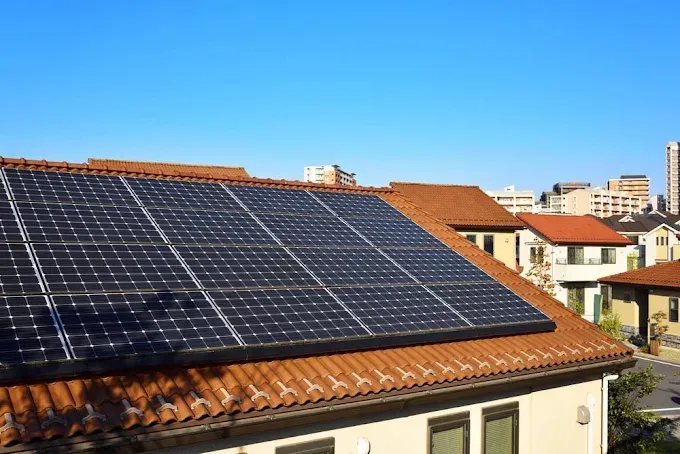
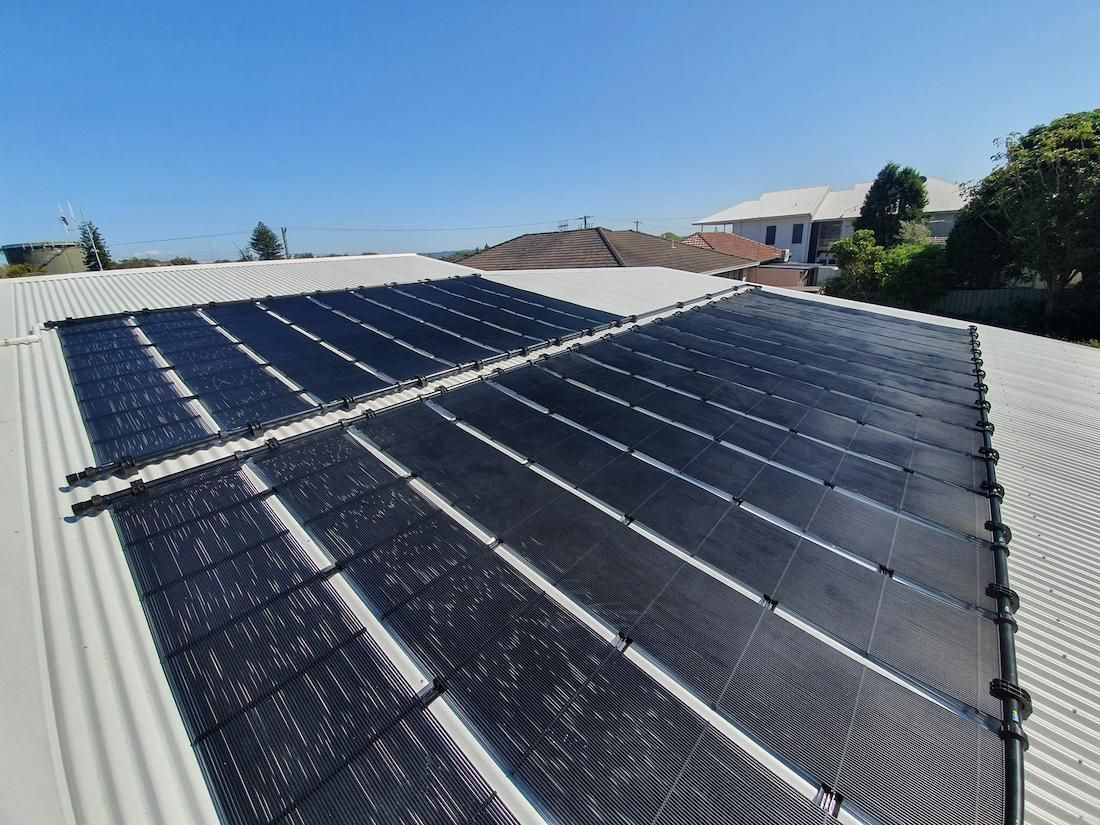
Roof orientation is one of the first things a solar installer will assess because it directly determines how much sunlight the panels receive across the day and across the seasons. In Australia, solar panels mounted on a north-facing roof at an appropriate tilt angle receive the most consistent direct sunlight throughout the year, which typically produces the highest annual generation output from a given system size.
That said, north-facing roof space isn't a prerequisite for a viable solar installation. East and west-facing roofs both receive meaningful sun hours — east-facing panels generate well in the morning while west-facing panels perform strongly in the afternoon, which can actually align well with household energy consumption patterns in some cases. A split east-west installation, where panels are placed on both sides of the roof, can provide more consistent generation across the full day than a purely north-facing array in some configurations. South-facing roofs in the southern hemisphere receive the least direct sun and are generally not suitable as the primary mounting surface, though they may be used to supplement capacity when north-facing space is limited. The practical takeaway for homeowners is that orientation affects output but doesn't determine viability. A site assessment that maps your specific roof planes gives a more accurate picture than a general rule.
Shading Is One of the Most Underestimated Factors in Solar System Performance
A small amount of shading can have a disproportionate effect on solar system output, and it's one of the factors that's easiest to overlook during a casual self-assessment. The impact depends on how the system is configured. In a standard string inverter setup, shading on one panel affects the output of the entire string it belongs to, meaning that a tree casting shade on a single corner of the array can reduce generation from that entire section of the system.
Shading sources at a residential property can include established trees — particularly those that have grown significantly since the house was built — neighbouring rooflines, chimneys, antennas, pergolas and elevated structures on adjacent properties. The shading pattern also changes seasonally, because the sun is lower in the sky during winter and shadows from fixed objects extend further across the roof. A solar assessment that includes a shading analysis at different times of day and different times of year produces a more reliable system design than one based on a single site visit at one point in time. Relevant shading considerations to flag before an assessment include:
- Trees on the property or neighbouring properties that overhang or are close to the roof
- Chimneys, skylights, antennas or other roof-mounted objects that cast shadows across potential panel locations
- Neighbouring buildings that are taller than the property and may shade portions of the roof during morning or afternoon hours
- Plans to add structures — pergolas, extensions or shade sails — that would affect the roof after installation
Available Roof Space Determines How Large a System You Can Actually Install
System size — measured in kilowatts — determines how much electricity the solar array can generate, and the size of system that's appropriate for a household depends on both available roof space and actual energy consumption. A household with a pool, electric hot water and air conditioning running regularly will benefit from a larger system than one with modest electricity use, but that larger system requires more roof space to accommodate the additional panels.
Standard residential solar panels are approximately 1.7 metres by 1.1 metres, and a practical installation needs to account for the spacing between panels, the minimum clearances from roof edges required under Australian Standards and any obstacles like vents, skylights or antennas that affect usable area. Before a site assessment, it's useful to have a rough sense of your annual electricity consumption — available from your electricity bills — and any planned additions to your energy load, such as an electric vehicle or a pool heater. That context allows the installer to recommend a system size that's matched to actual need rather than simply filling the available roof space. Thinking ahead about solar power on the Central Coast and what your household will realistically consume in the next five years is a worthwhile input into that conversation.
Your Switchboard May Need Upgrading Before Solar Can Be Safely Connected
The switchboard is the electrical hub that connects a solar system to the household's circuits and the grid. For a solar installation to be completed safely and to current electrical standards, the switchboard needs to have sufficient capacity to accommodate the solar inverter connection, appropriate safety devices in place and enough physical space for any additional circuit protection required.
Older switchboards, particularly those with ceramic fuses rather than modern circuit breakers or those that haven't been updated in 20 or more years, frequently require upgrading before solar can be installed. This isn't a complication unique to solar; it's a reflection of how electrical standards have evolved and how the load on a typical household switchboard has increased with modern appliances. A switchboard upgrade carried out as part of a solar installation is an opportunity to bring the whole installation to current standard rather than a separate inconvenience. Switchboard-related factors that typically come up during a pre-installation assessment include:
- Whether the switchboard has residual current devices on all circuits as required under current standards
- Whether the main switch and service fuse are rated for the total anticipated load including the solar system
- Whether there are sufficient spare circuit positions for the solar inverter connection and any associated protection devices
- The physical condition of the switchboard enclosure and whether it meets current safety requirements for live working access
Pool and Hot Water Compatibility Affects How the System Should Be Designed
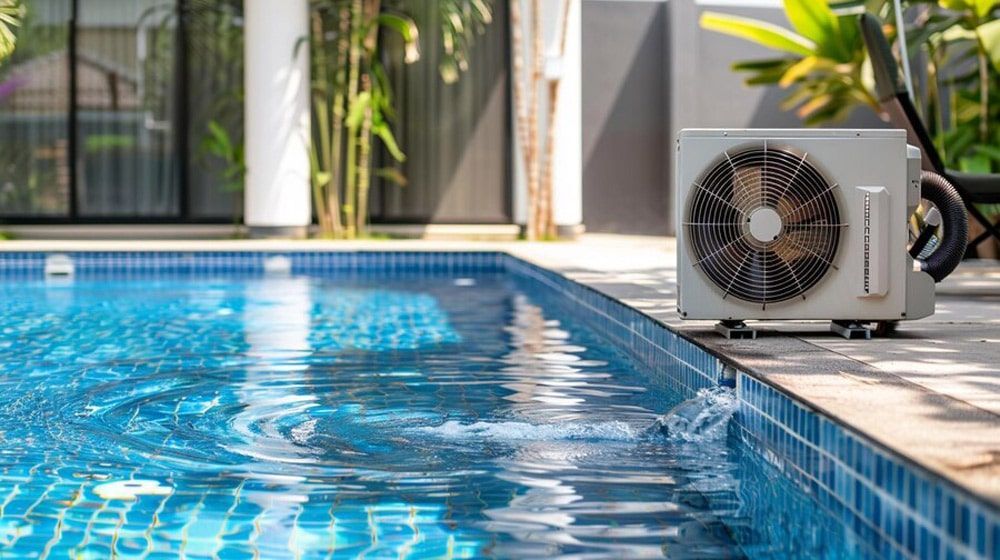
For households with a swimming pool, solar hot water system or both, integrating these loads into the solar system design from the outset produces a more functional and cost-effective outcome than treating them as separate considerations. A pool pump running for six to eight hours a day is a substantial energy consumer, and scheduling that pump run to coincide with peak solar generation significantly reduces the grid power drawn to operate it. Similarly, a solar or heat pump hot water system can be controlled to heat water during the middle of the day when rooftop solar generation is at its highest.
These integrations don't happen automatically. They require appropriate system design, compatible controls and, in some cases, additional equipment such as a timer or smart load controller. If you're also connecting solar hot water to the system, checking that the existing plumbing and controls are compatible with the proposed solar setup avoids the situation where the two systems work independently rather than in coordination. Key compatibility questions for households with pools or hot water systems include:
- Whether the pool pump is a variable-speed model that can be scheduled and controlled remotely, or a fixed-speed pump that runs at full power regardless of solar availability
- Whether the hot water system is electric resistance, heat pump or solar thermal — each has different integration requirements
- Whether existing timers or controllers on the pool or hot water equipment can be updated or replaced to allow solar-aware scheduling
- Whether the additional load of pool and hot water equipment affects the system size recommendation
Coastal Considerations Add an Extra Layer to the Pre-Installation Checklist
Properties close to the ocean face a specific set of conditions that affect both the installation approach and the hardware specification for a solar system. Salt air, elevated humidity and the wind loads associated with exposed coastal positions all need to be accounted for in how the system is designed and what materials are used, and these factors apply whether the property is immediately beachfront or several streets back from the water.
The pre-installation checklist for a coastal property includes all the standard checks — roof condition, orientation, shading, space and switchboard — plus an additional layer of material specification review. Coastal solar installation requires hardware that's rated for the corrosive environment rather than standard inland-spec components. Relevant coastal-specific factors to assess before installation include:
- The property's proximity to the ocean and the likely salt air exposure level — properties within one to two kilometres of the waterline face higher corrosion risk than those further back
- Whether the existing roof fixings and flashing materials are compatible with the additional penetrations a solar installation requires in a saline environment
- Wind zone classification for the property and whether the proposed mounting system is engineered to the appropriate standard
- Whether the roof surface and any existing coatings are in a condition that's compatible with the installation process and the long-term adhesion of mounting brackets and sealants
A Professional On-Site Assessment Answers All of These Questions at Once
The checks covered in this guide are all things a homeowner can think through in advance, and doing so is genuinely useful — it means the conversation with a solar installer starts from a more informed position. But the definitive answers to most of these questions come from a professional on-site assessment, where the installer can examine the roof directly, measure available space accurately, assess shading across different orientations and review the switchboard in person.
A thorough on-site assessment produces a system design that's specific to the property rather than a generic proposal based on a postcode and a consumption figure. It also surfaces any pre-installation requirements like roof remediation, switchboard upgrade, and hardware specification changes for coastal conditions so that these are factored into the project scope and timeline before work begins rather than discovered during installation. What a good on-site assessment should cover includes:
- Physical inspection of the roof surface, structure and existing penetrations
- Shading analysis across the proposed panel locations at different times of day
- Switchboard inspection and load assessment including any pool or hot water equipment
- A system size recommendation matched to actual consumption data and available roof space
- A clear outline of any pre-installation work required and how it affects the overall project
A solar installation on the Central Coast that begins with this level of preparation is one that's designed to perform as expected from day one — and to continue doing so across the full lifespan of the system.
Find Out If Your Property Is Ready With a No-Obligation Assessment
At Solar Services Central Coast, we carry out on-site assessments for homeowners across the Central Coast who want a clear, honest picture of whether their property is ready for solar and what the right system looks like for their specific situation. The Central Coast's coastal conditions, varied housing stock and mix of older and newer properties mean that no two assessments look exactly the same, and we approach each one with the site-specific attention that produces a system design you can have confidence in. Whether you're just starting to research or you're close to making a decision, getting an on-site assessment is the most useful step you can take at this stage. Get in touch with our team to arrange a time — we'll come to you, work through the checklist in person and give you a straightforward recommendation on what solar power on the Central Coast looks like for your home.