NSW Solar & Battery Rebates Explained (2026 Guide)
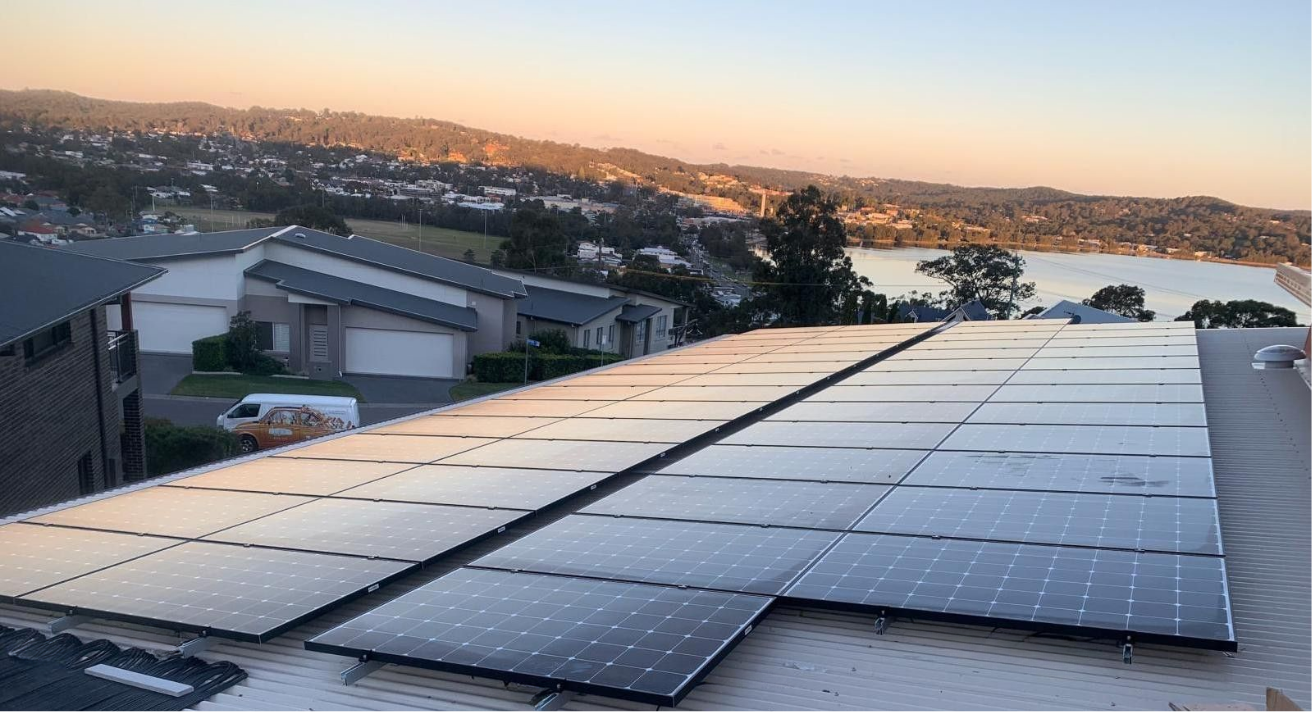
Working out what the solar battery rebate in NSW actually covers isn't always simple, especially when you're also weighing up solar power on the Central Coast and trying to work out what your household will actually get back in 2026. Between a federal panel rebate, a federal battery discount and a handful of NSW-specific programs, there's more than one lever to pull, and knowing which one applies to which part of your system is what turns a vague quote into a clear number.
NSW Rebates & Incentives for 2026
There's no single solar rebate NSW households tick a box for. Instead, the support on offer comes from a mix of federal and state programs that can often be combined. Understanding which one applies to which part of your system is the first step to working out your real cost.
Here's a quick rundown of what's available:
- Federal solar panel rebate: a national scheme that reduces the upfront cost of your panels and inverter
- Federal battery discount: a separate national program that applies specifically to battery storage
- NSW state support: interest-free loans, upcoming discounts for eligible households and a payment for connecting a battery to a virtual power plant
- Feed-in tariffs: ongoing credits from your electricity retailer for solar you export to the grid
Each of these operates independently, and several can be combined on the same installation. This combination is part of why solar power on the Central Coast performs so well financially, especially given the strength of the solar incentives NSW residents can currently access.
How the Federal Solar Rebate Works
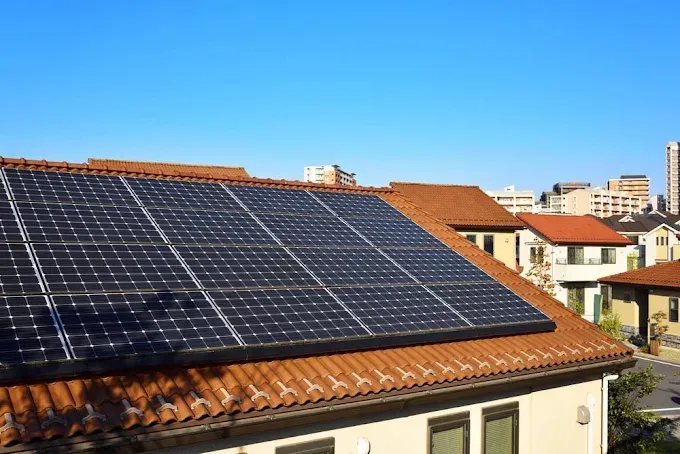
The main solar panel rebate NSW homeowners rely on is the federal Small-scale Renewable Energy Scheme. It works by generating Small-scale Technology Certificates for your system, which your installer typically claims on your behalf and applies as a discount at the point of sale rather than something you apply for separately.
To qualify, your system generally needs to use Clean Energy Council-approved panels and inverters, and be installed by an accredited installer. A few other things influence how much your system attracts:
- System size: larger systems generally create more certificates
- Location: NSW sits in a zone that reflects strong average sunlight
- Timing: the scheme is winding down toward 2030, so the certificate value reduces gradually each year
Because the scheme steps down over time, installing sooner rather than later tends to capture a more favourable outcome. If you're also trying to work out what size system suits your home, understanding how to choose the right solar system for your household comes down to matching your roof, your bills and your future plans, not just chasing the biggest rebate on offer.
The 2026 Federal Battery Discount Explained
If you're adding storage, the solar battery rebate NSW households can access in 2026 is the federal Cheaper Home Batteries Program. It applies an upfront discount to the cost of an eligible battery, provided it's installed alongside new or existing solar, is virtual power plant capable and uses a Clean Energy Council-approved battery and installer.
The program changed from 1 May 2026, moving to a tiered structure rather than a flat rate:
- Smaller batteries: attract the highest rate of discount
- Mid-sized capacity: receives a reduced rate above a set threshold
- Larger systems: receive a smaller proportional discount on capacity beyond that
The change was designed to keep the discount focused on batteries sized to typical household needs rather than oversized systems. Exact figures shift every few months as certificate prices move, so it's worth confirming current numbers with your installer rather than relying on a fixed figure. Since what the rebate provides is tied to usable capacity, matching solar batteries to real evening usage matters more than chasing the biggest discount on paper.
NSW's Home Energy Saver Loans & VPP Payments
Beyond the federal programs, NSW runs its own support separate from a straightforward cash rebate. The state's approach has shifted toward finance and grid participation rather than a blanket upfront discount.
Two programs are worth knowing about:
- Home Energy Saver loans: interest-free finance for households under a set income threshold to spread the cost of solar, batteries and other upgrades over several years, with additional discounts planned for lower-income households later in 2026
- Virtual Power Plant incentive: an upfront payment for connecting an eligible, grid-connected battery to a participating VPP, which can be combined with the federal battery discount
The VPP payment is based on the usable capacity you make available to the grid, and eligibility is set to widen later in the year. It's a genuinely useful option for households that already have, or are installing, a battery.
What Feed-In Tariffs Are Worth in NSW
NSW doesn't set a mandatory minimum feed-in tariff. Instead, the Independent Pricing and Regulatory Tribunal publishes a yearly benchmark range to guide what's reasonable, though retailers aren't required to match it.
A few points worth keeping in mind:
- Rates vary by retailer: it's worth comparing plans rather than assuming your current rate is competitive
- Export rates are modest: what you save by using your own solar directly is typically worth more than what you earn exporting it
- Batteries shift the maths: storing daytime generation for evening use often delivers more value than sending it to the grid
This is part of why battery uptake has grown so quickly under the current federal discount. It changes the calculation from exporting cheaply to using more of what you generate.
How to Apply for the Rebates
One of the more common questions homeowners ask is how to apply for a solar rebate in NSW and federal incentives without missing a step. The good news is that most of the process happens through your installer rather than requiring separate paperwork on your end.
In practice, the process usually looks like this:
- Get quotes from accredited installers who are clear about which rebates apply to your system
- Confirm eligibility for any NSW loans or VPP incentives before installation, since some require sign-up before the system goes in
- Let your installer handle the certificates, as most apply the federal discounts directly to your invoice
- Register for a VPP separately if you want the additional NSW payment, since this typically involves choosing a provider after installation
Getting the right advice from your installer at each stage avoids missing out on a stackable incentive simply because of timing. If you already have solar and are considering the next step, maximising your solar efficiency with battery storage comes down to matching capacity to your evening usage rather than installing the biggest system available.
Solar Power on the Central Coast
For Central Coast homeowners, strong sunshine hours and the current federal and state incentives make this a smart time to install solar or add a battery. Working out what applies to your home is often the hardest part.
At Solar Services, we're a locally based team ready to help you make the most of the solar rebate Central Coast households can access. If you're ready to see what solar power on the Central Coast could look like for your home, get in touch with our team today.