What You Didn't Know About Installing Solar In Coastal Climates
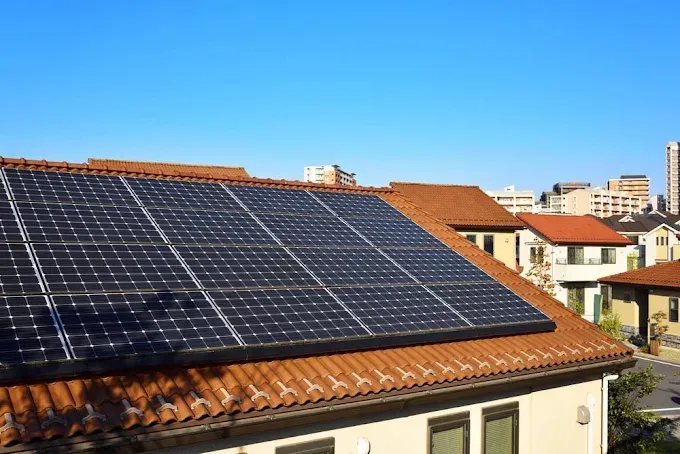
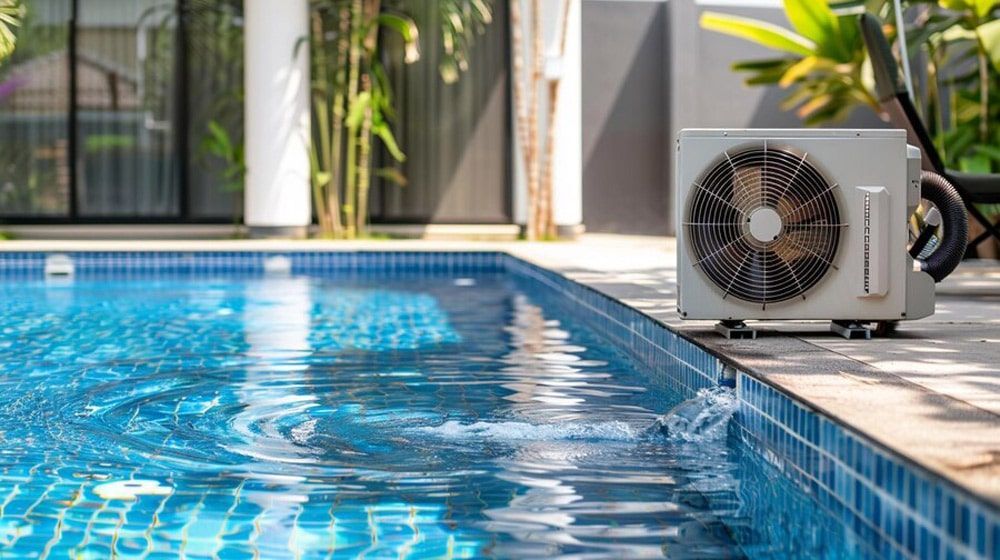
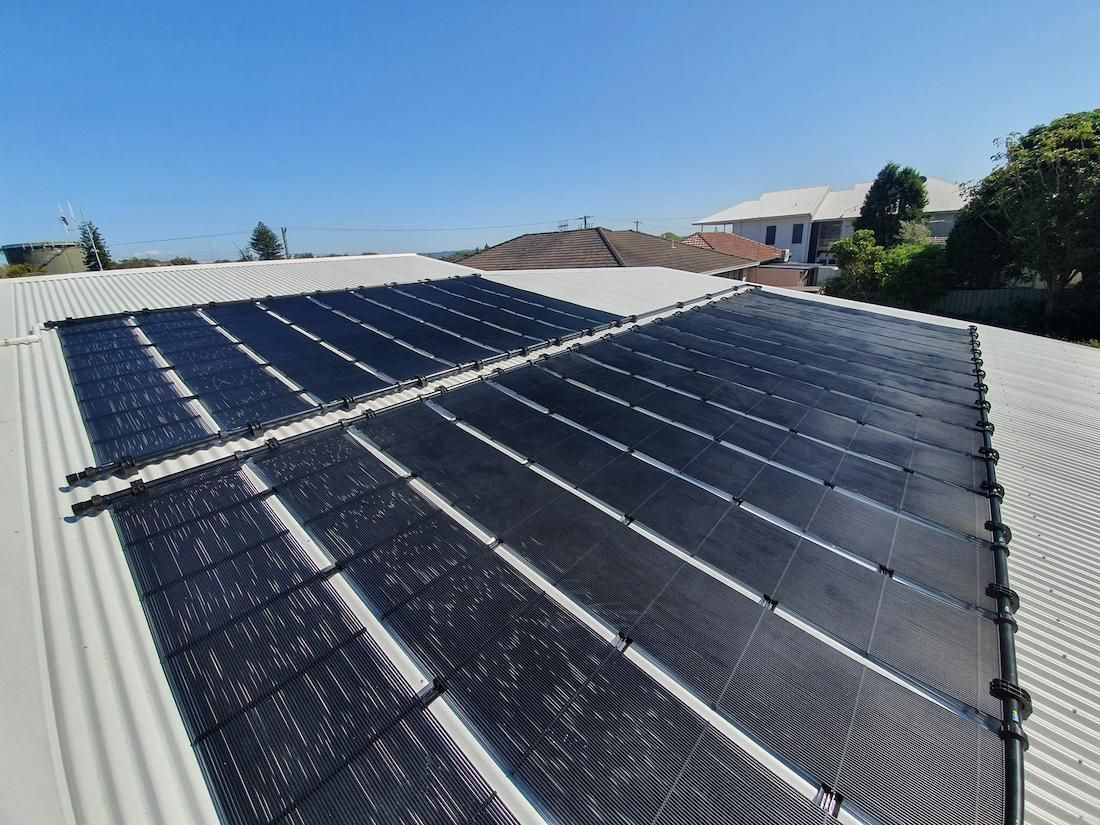
Living near the ocean means installing solar takes a slightly different approach than inland. Salt air and high humidity can take a toll if a system isn't built and installed with coastal conditions in mind. Salt spray and sea winds are the most common concerns: over time salt can corrode metal fixtures, damage connectors and reduce panel lifespan if not protected. Roof orientation and nearby trees or buildings also affect solar gain, and high winds and storm-season weather change how sunlight hits the home. What homeowners may not realise about coastal solar: corrosion-resistant framing and protective coatings are a must; regular cleaning and inspections matter more near the ocean due to salt and debris; roof mounts and fixings should be chosen for wind and rust resistance; battery storage helps balance cloudy days and evening use; pool heating may need positioning adjustments near shaded or windy spots. The upside: with over 2,000 hours of sunlight annually, the benefits far outweigh the challenges with the right planning. Choosing the right solar panels on the Central Coast starts with understanding what coastal conditions actually demand — and this guide walks through exactly that.
Salt Air Affects Solar Systems in Ways That Aren't Always Obvious at First
Salt air is present year-round in coastal areas, not just on days when the wind is blowing directly off the water. It accumulates gradually on exposed surfaces, including the metal framing, mounting hardware and electrical connectors of a solar system, and the corrosion it causes is cumulative rather than dramatic. A system that looks perfectly functional at the three-year mark may be experiencing accelerated degradation in its fixings, frame joints and DC connector housings that only becomes apparent several years later when components begin to fail.
The corrosion process is electrochemical. Salt particles suspended in humid air settle on metal surfaces and, in the presence of moisture, accelerate oxidation. On a standard solar installation using non-rated hardware, this can affect the structural integrity of the racking system and the conductivity of electrical connections over time. The consequence isn't usually sudden failure but a gradual reduction in system performance and, in some cases, a maintenance issue that becomes costly to address retrospectively. Specifying anodised aluminium framing, marine-grade stainless steel fixings and IP-rated connector housings from the outset is the straightforward way to address this, and it's a distinction that makes a measurable difference to how a system holds up over its intended 25-year lifespan.
The Framing and Fixings Matter as Much as the Panels Themselves
When homeowners research solar systems, the focus tends to land on panel brand, wattage and inverter quality, all of which matter. What receives less attention is the hardware that holds everything in place: the racking system, the roof mounting brackets, the bolts and the clamps that secure panels to the frame. In a coastal environment, this hardware is the component most directly exposed to salt air and humidity, and its specification has a direct bearing on how long the installation remains structurally sound.
The hardware distinctions that matter most for coastal solar installation include:
- Racking material — anodised aluminium resists salt-air corrosion significantly better than untreated aluminium or standard steel
- Roof fixing bolts and washers — marine-grade stainless steel (316 grade) rather than standard 304 grade, which corrodes faster in saline environments
- Clamps and mid-rails — should match the racking material in corrosion resistance rating rather than being specified to a lower standard
- DC connector housings — IP68-rated connectors protect the electrical connections from moisture ingress, which is particularly relevant in high-humidity coastal conditions
- Flashings and penetration seals
— the points where the mounting system penetrates the roof surface need appropriate weatherproofing that accounts for the volume of rainfall and wind-driven moisture common in coastal areas
Coastal Wind Loads Change How a Solar System Needs to Be Engineered
Wind is a structural consideration in any solar installation, but coastal and near-coastal properties are subject to higher and more variable wind loads than inland areas, and in some regions, cyclonic wind rating requirements apply. The engineering of a solar mounting system needs to account for the specific wind zone classification of the property, which determines the uplift forces the racking and fixings must be designed to resist.
Australia's wind loading standard AS 1170.2 divides the country into wind regions, with coastal and cyclone-prone areas subject to higher design wind speeds than the inland classifications most commonly used in major urban markets. A solar installation in a coastal wind zone must be engineered to the appropriate specification, which means the racking layout, fixing frequency and bracket type all need to reflect the actual wind loads for that location rather than a generic residential standard. An installer who doesn't adjust their mounting design for coastal wind zones isn't necessarily cutting corners intentionally, but the result is an installation that may not meet the structural requirements of the site. That can become a problem when it comes to insurance claims or future inspections.
Panel Soiling Is a Bigger Issue Near the Ocean — and It's Easy to Underestimate
Solar panels generate electricity in proportion to how much sunlight reaches the photovoltaic cells. Anything that sits on the panel surface — dust, bird droppings, pollen — reduces that output, and in coastal environments, salt residue adds another layer to the soiling picture. Salt deposits build up gradually and, unlike dust that might wash off in rain, salt crystalline residue can be more persistent and may leave streaks or film on the panel surface that ordinary rainfall doesn't fully clear.
For coastal homeowners, a more active approach to panel maintenance makes practical sense:
- Clean panels at least twice a year using deionised or low-mineral water to avoid leaving mineral deposits, and more frequently if the property is within one kilometre of the waterline
- Inspect framing, fixings and cable management after significant storm events for signs of movement, damage or ingress
- Check DC connectors and junction boxes annually for signs of moisture ingress or corrosion at connection points
- Monitor system output data through the inverter monitoring platform — a gradual unexplained decline in generation can indicate soiling or a developing hardware issue before it becomes visible
- Arrange a professional inspection every two to three years to assess hardware condition beyond what's visible from ground level
Roof Orientation and Shading Have More Impact in Coastal Settings Than Many Homeowners Expect
Solar system design for a coastal property needs to account for the specific characteristics of the site — not just the cardinal direction the roof faces, but the effect of nearby vegetation, neighbouring structures and the angle of the sun at different times of year. Coastal properties frequently have established trees, sea views that create specific setback distances from neighbouring buildings and roof designs that reflect the architectural character of beachside areas, all of which affect where panels can be positioned and how much unshaded generation area is available.
Even partial shading of one panel in a string-configured system affects the output of the entire string, not just the shaded panel. This means a tree that shades one corner of the array for two hours each afternoon can reduce overall system generation by more than the proportional area suggests. For coastal properties where full unobstructed roof exposure isn't always achievable, microinverter or DC optimiser configurations allow each panel to operate independently, limiting the impact of localised shading on overall system performance. A site assessment that maps shading across different times of day and seasons is a standard part of responsible solar system design for properties where the roof orientation or surrounding environment is less than ideal, and solar power on the Central Coast benefits significantly from that level of site-specific planning.
Battery Storage Makes More Sense in Coastal Areas Than Some Homeowners Realise
Coastal weather patterns are characterised by variability — clear blue-sky days punctuated by sea mist, storm cloud build-up and the kind of overcast stretches that reduce solar generation without eliminating it entirely. For households that rely on solar generation to offset a significant portion of their energy use, this variability means that some days the system produces well and others it doesn't, and without storage, any shortfall is drawn directly from the grid.
The case for solar batteries in a coastal setting comes down to how generation variability affects household energy costs:
- Battery storage captures excess generation during clear periods and makes it available during overcast stretches when the panels are producing less
- Evening energy demand, when solar generation has stopped for the day, can be met from stored energy rather than grid supply, reducing time-of-use costs
- Households with battery storage are less affected by feed-in tariff fluctuations, since stored energy is used directly rather than exported at whatever the current rate happens to be
- In areas with occasional grid outages during storm events, a battery system with appropriate backup configuration can maintain power to essential circuits during a disruption
Local Installation Knowledge Is Worth More Than a Lower Quote From an Interstate Provider
The growth of online solar quoting platforms has made it straightforward to get a system price from providers operating remotely, some of whom may be based interstate and subcontracting installation to whoever is available in the area. For a standard suburban inland installation, this model can work reasonably well. For a coastal property with specific material requirements, wind zone considerations and site characteristics that affect system design, it introduces risk that a lower upfront price doesn't offset.
A local installer who works regularly in coastal conditions understands the specific wind zone classifications that apply to the area, the council or strata requirements that may affect installation permissions near the waterfront and the hardware specifications that hold up in the local environment. That familiarity shows up in how the system is designed, what materials are specified and whether the installation is engineered to the correct standard for the site. An in-person site assessment from someone who knows the local conditions also produces a more accurate system design than one produced from a satellite image and a postcode. For coastal homeowners, the quality of the installation decision matters more than in lower-risk environments, and the right provider relationship makes that decision considerably easier.
What the First Year of Coastal Solar Ownership Typically Looks Like
The first year of owning a solar system on a coastal property gives homeowners a clear picture of how the system performs across different seasons and weather conditions, as well as what ongoing ownership actually involves. Generation will vary month to month, with the summer months typically producing significantly more than the winter months due to longer days and more sun hours, while overcast coastal weather in any season will show up as dips in the daily generation data.
Knowing what to pay attention to in the first year makes ongoing ownership more manageable:
- Monitor generation data through the inverter app or portal monthly — understanding the seasonal pattern of your system's output helps identify any unexpected drops early
- Arrange a post-installation inspection at the six-month mark to confirm all hardware connections are secure and showing no early signs of salt-related degradation
- Clean the panels at the end of summer before autumn reduces generation — removing accumulated salt, dust and organic debris at this point sets the system up well for the lower-sun months
- Check that roof penetrations and flashings remain well-sealed after the first winter storm season
- Review your household energy bills against pre-solar usage to confirm the system is offsetting consumption as expected
Well-maintained solar panels on the Central Coast are a long-term asset, and the first year is the best time to establish the habits that protect that investment.
Speak With Our Team About Coastal Solar That's Built to Last
At Solar Services Central Coast, we work with homeowners across the Central Coast to design and install solar systems that are specified for coastal conditions, not adapted from an inland template. The Central Coast's combination of ocean proximity, variable coastal weather and strong annual sun hours creates a specific set of installation requirements that we factor into every system we design for properties near the water. Whether you're close to the waterfront or a few suburbs back from the beach, we can assess your site, your roof and your energy usage and give you a clear picture of what a system built for your location actually looks like. Get in touch with our team for an obligation-free consultation and start with the confidence that the system you're investing in has been designed with your environment in mind.