How Solar Power Is Changing The Way Central Coast Families Use Their Pools
For many families on the Central Coast, a backyard pool is a lifestyle — but heating it outside peak summer once meant rising energy costs. Solar technology is reshaping how locals use, enjoy and manage their pools year round. Traditional gas and electric pool heating can be expensive to run, especially in the shoulder seasons when the water cools but the sun is still shining. Solar pool heating systems use roof-mounted collectors to gently warm pool water through the day, for a longer swimming season and a more cost-effective way to stay comfortable. Homeowners are now pairing solar with energy-efficient pool equipment like variable-speed pumps to reduce energy use across the board. What families notice with solar-integrated pool systems: warmer pools that stay comfortable from spring through autumn; lower electricity bills by reducing reliance on grid-powered heating and filtration; quieter, smarter equipment that works seamlessly with solar; reduced environmental impact; and minimal maintenance with durable solar pool heating systems.
How Does Solar Pool Heating Actually Work?
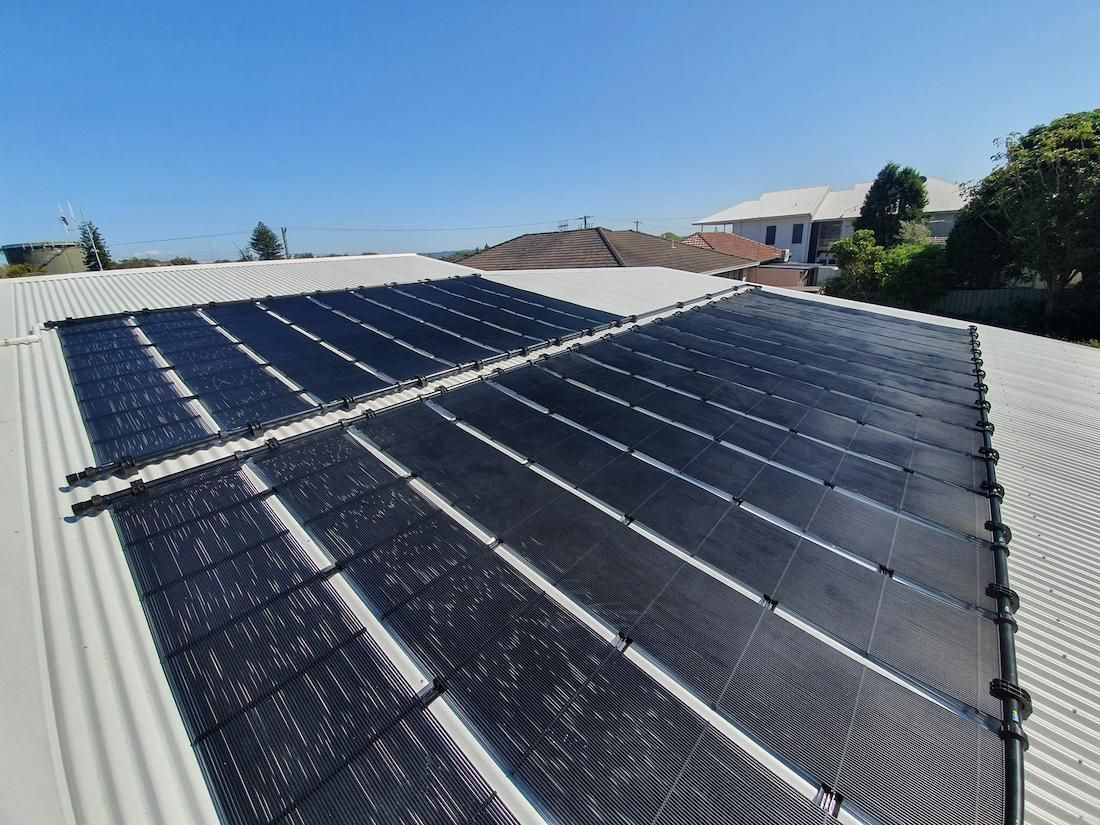
Solar pool heating works by circulating your pool water through a series of roof-mounted collectors where it absorbs heat from the sun before being returned to the pool. The system uses your existing pool pump to move the water, meaning there's no separate motor required for the heating circuit itself. A controller monitors both the collector temperature and the pool water temperature, and only diverts water to the roof when there's meaningful heat to be gained so the system is working intelligently rather than just running continuously.
The collectors themselves are typically made from UV-stabilised rubber or polypropylene, designed to withstand prolonged sun exposure without degrading. On a clear day, a correctly sized system can raise pool water temperature by several degrees over the course of the day. The process is gradual rather than instant, which is part of why solar pool heating is better understood as a season-extension tool than a rapid heating solution. For families who plan their swimming around comfortable water temperatures rather than just ambient air temperature, the practical difference is a pool that's usable for a significantly larger portion of the year.
The Real Cost of Running a Solar Pool Heater Compared to Gas and Electric
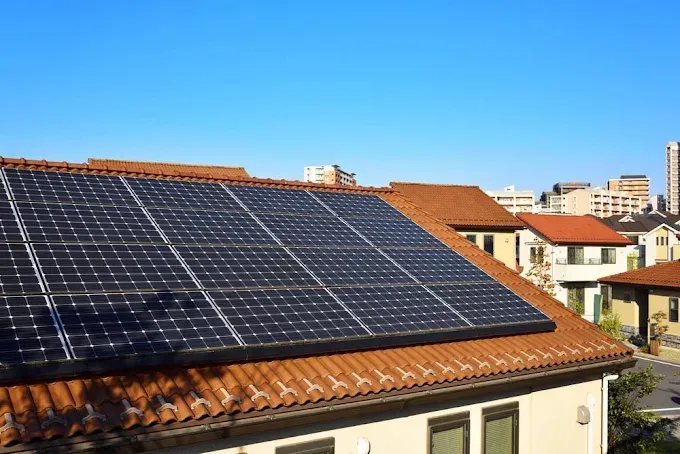
One of the most common questions homeowners ask before installing a solar pool heater is what it's going to cost to run, and the answer is one of the more compelling aspects of the technology. Once a solar pool heating system is installed, the ongoing running cost is effectively the marginal electricity used by the pool pump to circulate water through the collectors. For households that already have rooftop solar panels, that pump energy may be drawn entirely from self-generated power, pushing the ongoing heating cost close to zero.
The contrast with gas heating is significant. Gas pool heaters are capable of rapid temperature increases and work independently of weather conditions, but the fuel cost accumulates quickly — particularly during the shoulder seasons when a family might run the heater several times per week to maintain a comfortable swimming temperature. Electric heat pumps sit between the two in terms of running cost, drawing from the grid unless paired with solar generation. The solar pool heating cost calculation for most households works out favourably over a relatively short period, particularly when the system is correctly sized for the pool volume and local sun hours. A well-designed solar pool heating system typically pays for itself within a few years of installation, after which the heating is largely free.
Extending the Swim Season Is Where Solar Pool Heating Earns Its Value
For most unheated pools, comfortable swimming is largely limited to the warmer months, roughly December through February for many families with March and November possible on warmer days. Solar pool heating shifts that window meaningfully in both directions. By capturing available solar energy through spring and autumn, when daytime temperatures are still warm even if nights are cooling, a solar system can maintain pool water at a comfortable temperature well outside what would otherwise be the swimming season.
The practical value of this varies by household. For families with children, a longer swim season means more use from an asset that represents a significant investment in the property. For adults who swim for fitness or recreation, it extends the period during which the pool functions as a regular part of the routine rather than a seasonal one. The extension isn't unlimited — a solar system alone won't maintain comfortable temperatures through the depths of winter without supplementary heating — but spring through autumn swimming is a realistic outcome for most well-sized systems. This is the season extension that most homeowners are looking for when they start researching solar pool heating on the Central Coast.
Pairing Solar Pool Heating With a Variable-Speed Pump Multiplies the Savings
Solar pool heating addresses the cost of warming the water, but the pool pump, which runs for several hours each day to maintain filtration and circulate water through the heating collectors, is its own energy consumer. Single-speed pumps run at full power regardless of the task, which means they're drawing maximum electricity even when a lower flow rate would be entirely adequate. Variable-speed pumps address this by allowing the motor to run at the speed the task actually requires, which translates to substantially lower energy consumption over the course of a week.
The pairing of solar pool heating with a variable-speed pump is increasingly common among homeowners who want to address pool running costs comprehensively rather than just the heating component. The benefits that come from combining the two include:
- Lower total pool running costs, with both heating and filtration drawing less from the grid
- Quieter pool equipment operation, since variable-speed pumps running at lower speeds generate significantly less noise
- Reduced wear on pool equipment over time, as the motor isn't running at maximum load during every cycle
- Better compatibility with rooftop solar systems, since lower overall consumption makes it easier for the pool to run largely on self-generated power
What to Know Before You Install a Solar Pool Heating System
Getting the most from a solar pool heating installation starts with understanding what factors determine whether a system will perform as expected for a given property. Roof space and orientation are the primary considerations — a north-facing roof with minimal shading provides the best conditions for collector performance, while east or west-facing installations can still work effectively with appropriate sizing adjustments. The ratio of collector area to pool volume is also critical: undersized systems won't maintain consistent temperatures, while oversizing adds unnecessary cost without proportional performance gain.
The condition of the existing pool pump and plumbing also matters. If a pump is approaching the end of its service life, it's worth considering replacement alongside the solar installation rather than adding collectors to an ageing system. Other factors worth discussing with an installer before committing to a system include:
- Pool volume and the target temperature range for the household's swimming preferences
- Whether the roof structure is suitable for the collector weight and fixing requirements
- Local council or strata requirements that may apply to roof-mounted installations
- Whether an existing rooftop solar system needs to be considered in the overall energy planning
With solar power on the Central Coast generating strong returns for homeowners across a wide range of applications, a pool heating system that integrates with existing solar infrastructure represents a logical extension of that investment.
Is Solar Pool Heating Enough, or Do Some Families Need a Heat Pump Too?
Solar pool heating performs at its best when the sun is shining, which across most of the year is exactly when families want to swim. But there are periods where cloud cover, shorter days or colder overnight temperatures mean a solar system alone may not maintain the water temperature a household wants. For families who want consistent pool temperatures through winter as well as the shoulder seasons, or who want a fallback option for extended overcast periods, pairing solar with a heat pump provides that additional coverage without the running costs of gas.
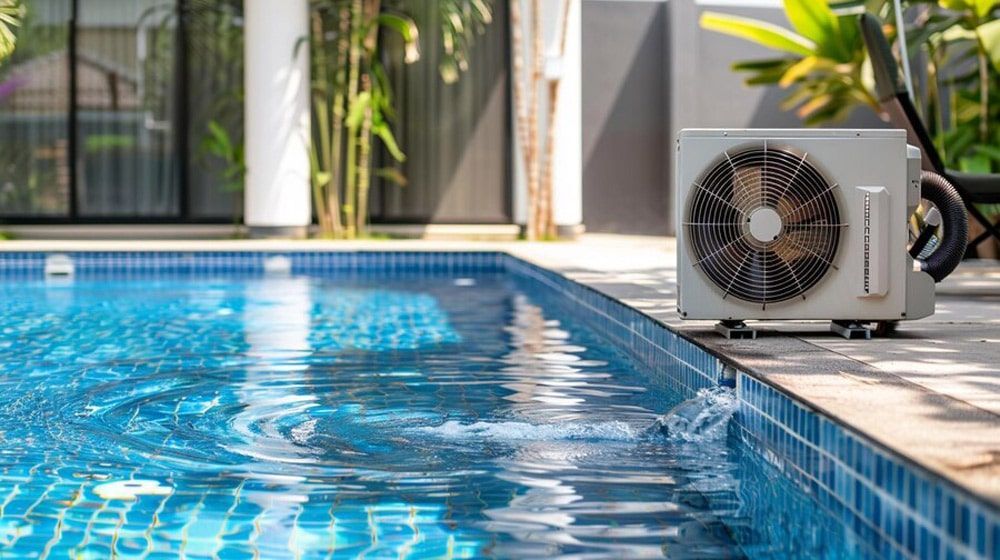
Pool heat pumps operate differently from solar collectors. They extract heat from the ambient air and transfer it to the pool water, which means they work even when the sun isn't available. The trade-off is that they draw electricity to operate, though modern heat pumps are considerably more efficient than older electric resistance heaters. For households with rooftop solar already installed, running a heat pump during daylight hours on self-generated power reduces that operating cost significantly. The combination of solar collectors for day-to-day heating and a heat pump for backup or winter use gives families the flexibility to swim comfortably year round without committing to the ongoing cost of gas heating.
The Environmental Case for Solar Pool Heating Is Straightforward
Pool heating is one of the higher-energy functions in a household that has one, and the source of that energy has a direct bearing on the associated emissions. Gas pool heating produces direct combustion emissions at the point of use, while grid electricity carries the emissions intensity of whatever the grid is generating at the time, which in most Australian states still includes a significant proportion of fossil fuel generation. Solar pool heating, by contrast, draws on energy that would otherwise go unused or be exported to the grid.
For households that have already made the shift to rooftop solar for general electricity use, extending that solar generation to cover pool heating is a consistent next step. The pool, which can be a substantial energy consumer, becomes part of the solar ecosystem rather than an exception to it. Families who are motivated by reducing their household's environmental footprint find that solar pool heating aligns with that goal in a way that gas heating does not, and that the financial and environmental cases point in the same direction rather than requiring a trade-off between the two.
Maintenance Expectations for a Solar Pool Heating System Over Time
One of the practical appeals of solar pool heating is the relatively low maintenance burden compared to gas or heat pump systems. Solar collectors have no moving parts, no refrigerant circuits and no combustion components. The main mechanical elements are the controller, any automated valves used to divert flow to the collectors and the pool pump itself. This simplicity translates to fewer points of failure and less ongoing servicing requirement.
That said, periodic attention keeps the system operating as intended over its service life. The general maintenance considerations for a solar pool heating system include:
- Annual inspection of collector panels for physical damage, debris accumulation or signs of UV degradation in older systems
- Checking controller settings and sensor accuracy, particularly at the start of each swimming season
- Inspecting any automated diverter valves for correct operation and signs of wear
- Monitoring pool pump performance, since a pump delivering reduced flow will affect how much water circulates through the collectors in a given period
A solar pool heating system that's properly installed and receives periodic attention has a service life that typically extends well beyond a decade, making it one of the lower-maintenance options available for pool heating over the long term.
We Help Families Get More From Their Pools
At Solar Services Central Coast, we work with homeowners across the Central Coast to design and install solar pool heating systems that are matched to the pool, the roof and the household's actual swimming habits, not a generic solution applied regardless of the specifics. The Central Coast's combination of warm summers, mild shoulder seasons and strong solar resource makes it one of the more favourable regions in NSW for solar pool heating, and we understand the local conditions that affect how systems are sized and positioned. Whether you're starting from scratch, upgrading an existing heating setup or looking to pair solar pool heating with a variable-speed pump or rooftop solar system, we can walk you through what makes sense for your property, giving you a clear picture of what a system would look like for your home and what you can realistically expect from it. Get in touch with our team for an obligation-free assessment today.