Understanding Solar Energy from Installation to Long-Term Performance
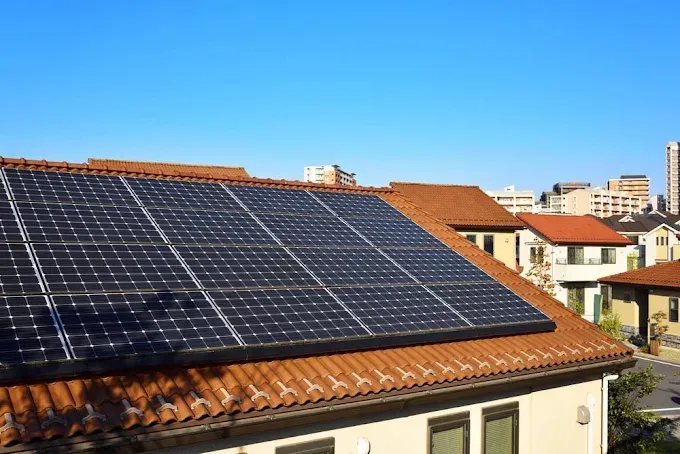
Solar energy has become a practical consideration for households, businesses and property owners looking to manage electricity use more effectively. Yet choosing a system involves more than selecting panels and arranging installation. Understanding solar energy from installation to long-term performance means knowing how the technology works, what influences output and how ongoing monitoring and maintenance can protect performance over time. From assessing roof conditions and energy consumption to choosing suitable equipment and planning for future upgrades, each stage can affect how well a solar system meets the needs of a property.
How Solar Energy Systems Work
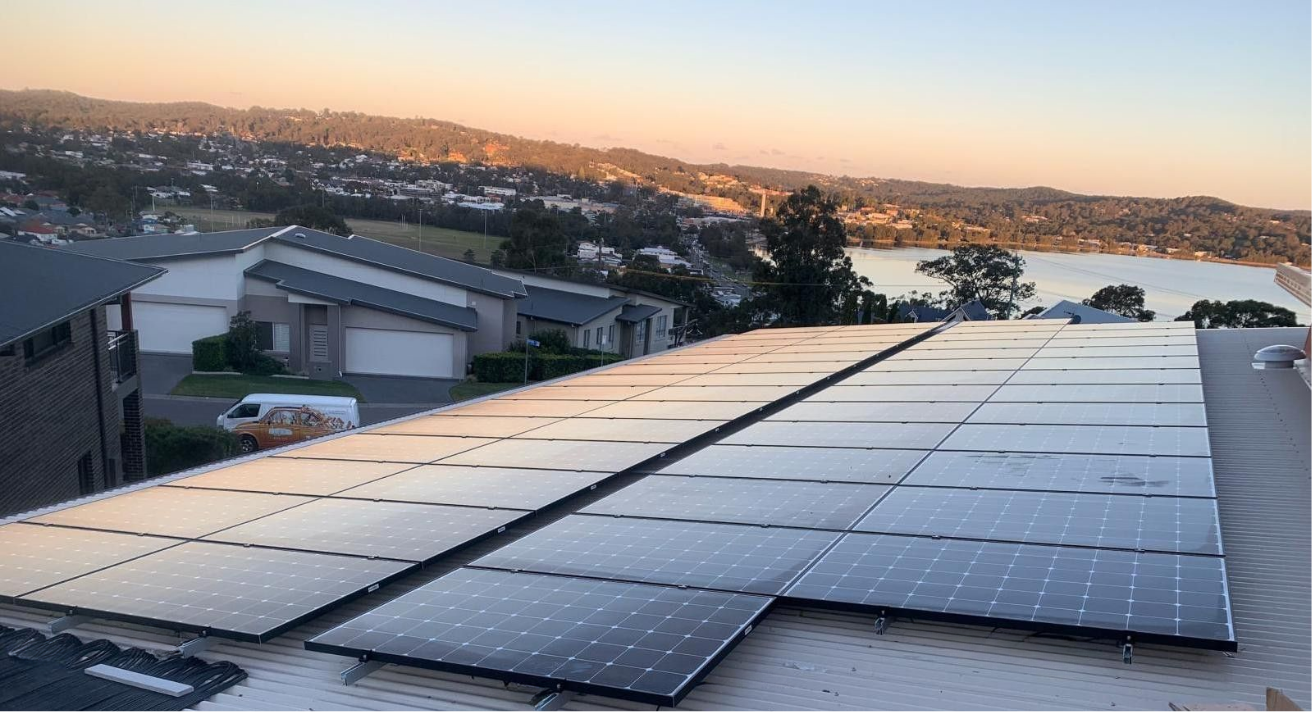
A solar energy system converts sunlight into electricity that can be used throughout a home or commercial property. Solar panels contain photovoltaic cells that generate direct current electricity when exposed to sunlight. An inverter then converts this electricity into alternating current, which is the form used by most household appliances and electrical systems. Depending on the system design, excess electricity may be exported to the grid or directed to battery storage for later use.
The basic energy flow involves several stages:
- Solar panels generate electricity whenever suitable sunlight reaches their cells.
- The inverter converts the electricity into a usable form for the property.
- Monitoring equipment records generation, consumption and other performance information.
Understanding this process makes it easier to see why panel positioning, inverter selection and system sizing all influence overall performance.
What to Expect During Installation
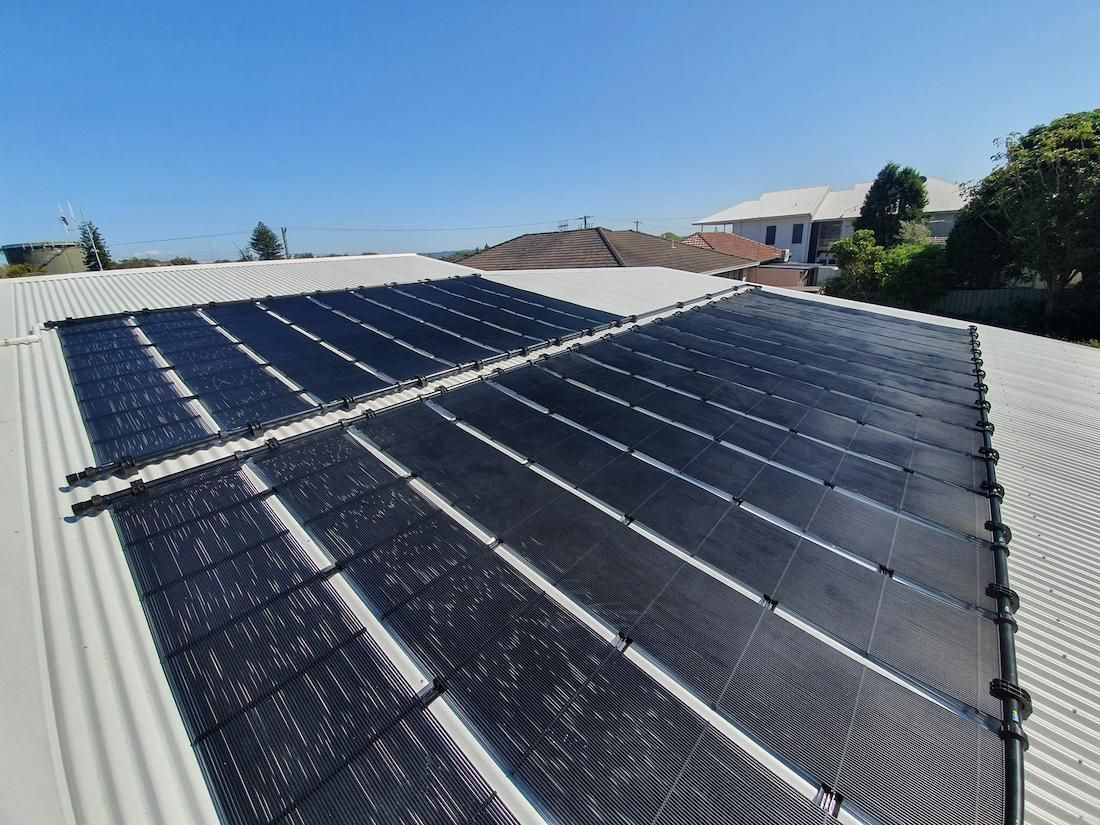
A professional installation generally begins with an assessment of the property, available roof space, electrical infrastructure and expected energy requirements. Installers can then determine an appropriate system size and identify suitable locations for panels and equipment. Roof condition, orientation, shading and access can influence the installation approach, while switchboard upgrades or other electrical work may sometimes be required before the solar system can be commissioned.
A typical installation process may include:
- Inspecting the property and confirming the proposed panel layout.
- Installing mounting equipment, panels, cabling and the inverter.
- Completing electrical testing, commissioning and system monitoring setup.
Careful planning at this stage helps ensure the equipment is appropriately matched to the property rather than simply fitting as many panels as the available roof space allows.
Key Components: Panels, Inverters, Mounting & Monitoring
Every solar system depends on several components working together. Panels receive the most attention because they generate the electricity, but inverter quality, mounting systems and monitoring technology are equally important. When researching solar power on the Central Coast, property owners should consider the entire system rather than comparing panels alone, as each component can influence reliability, efficiency and ease of maintenance.
The main components each have a distinct role:
- Panels capture sunlight and convert it into direct current electricity.
- Inverters manage electrical conversion and can provide important system performance information.
- Mounting and monitoring equipment secure the array and help identify changes in output.
Selecting compatible components can help create a balanced system that performs consistently and provides useful information throughout its operating life.
Factors That Affect System Efficiency Over Time
Solar output is not fixed for the entire life of a system. Panel performance can gradually change as equipment ages, while environmental conditions and maintenance also influence electricity generation. Dirt, debris, shading from growing vegetation and equipment faults can all reduce output. Understanding solar energy from installation to long-term performance therefore includes paying attention to how generation changes rather than assuming a functioning system is always operating at its expected level.
Several factors can influence long-term efficiency:
- Panel ageing can gradually reduce electricity generation over many years.
- New shading from trees or nearby structures can affect previously productive panels.
- Inverter issues, damaged components or accumulated debris may reduce system output.
Regular monitoring provides a useful baseline, making it easier to recognise unusual changes that may justify an inspection or maintenance visit.
Site Conditions, Energy Use & Return on Investment
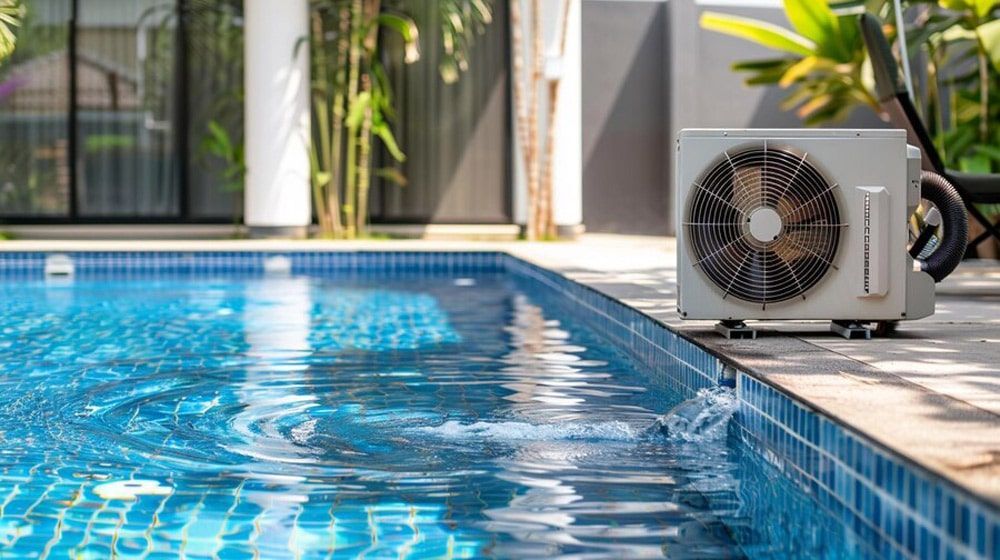
The value a solar system provides depends heavily on how well it matches the property and its electricity consumption. Roof orientation, available sunlight, shading and usable surface area influence potential generation, while the timing of household or business electricity use affects how much solar energy can be consumed directly. Properties considering pool heating on the Central Coast may also have additional daytime electricity demands that should be considered when assessing system capacity and expected energy use.
Important factors when evaluating a system include:
- How much electricity the property consumes during daylight hours.
- Whether future additions are likely to increase electricity demand.
- How roof conditions and shading affect potential solar generation.
Return on investment should therefore be considered in the context of actual energy habits, electricity tariffs, system cost and expected output rather than relying on a single general estimate.
Ongoing Maintenance & Performance Monitoring
Solar systems are relatively low maintenance, but that does not mean they should be ignored after installation. Monitoring provides an ongoing record of generation and can highlight sudden drops or gradual changes in performance. Physical inspections may also identify damaged panels, deteriorated cabling, inverter faults or mounting issues that are not immediately obvious from ground level.
A practical maintenance approach should involve:
- Reviewing monitoring data periodically for unexpected changes in generation.
- Keeping surrounding vegetation managed where it may begin shading panels.
- Arranging professional inspection when performance drops or equipment displays fault warnings.
Consistent attention can help identify problems earlier and provides property owners with a clearer picture of whether their system continues to perform as expected.
When to Consider System Upgrades
A solar system that suited a property several years ago may not always meet its future requirements. Electricity consumption can increase after renovations, the purchase of an electric vehicle or the addition of new appliances. Improvements in battery storage, inverter technology and solar equipment may also create opportunities to expand or modify an existing installation rather than replacing it entirely.
An upgrade may be worth investigating when:
- Electricity consumption has increased significantly since the original installation.
- A battery, electric vehicle charger or additional panels are being considered.
- Older equipment is limiting performance or is approaching the end of its service life.
A system assessment can help determine whether expansion is practical and whether existing components can work effectively with newer technology.
Making Solar Work for the Long Term
Installing solar is only the beginning of the system’s working life. Understanding solar energy from installation to long-term performance involves considering initial design, equipment quality, site conditions, changing electricity needs and ongoing monitoring together. A well-planned system should reflect how a property uses energy today while leaving room to consider future requirements.
We at Solar Services help homeowners, businesses and property owners on the Central Coast with solar installation, servicing, maintenance and system upgrades. Whether you are investigating solar for the first time or want to assess the performance of an existing system, contact us to discuss practical options suited to your property and energy needs.